For food distributors
Know the market.
Set the right price.
Lora reads every market source, matches it to your items, and helps you set the right sell price.
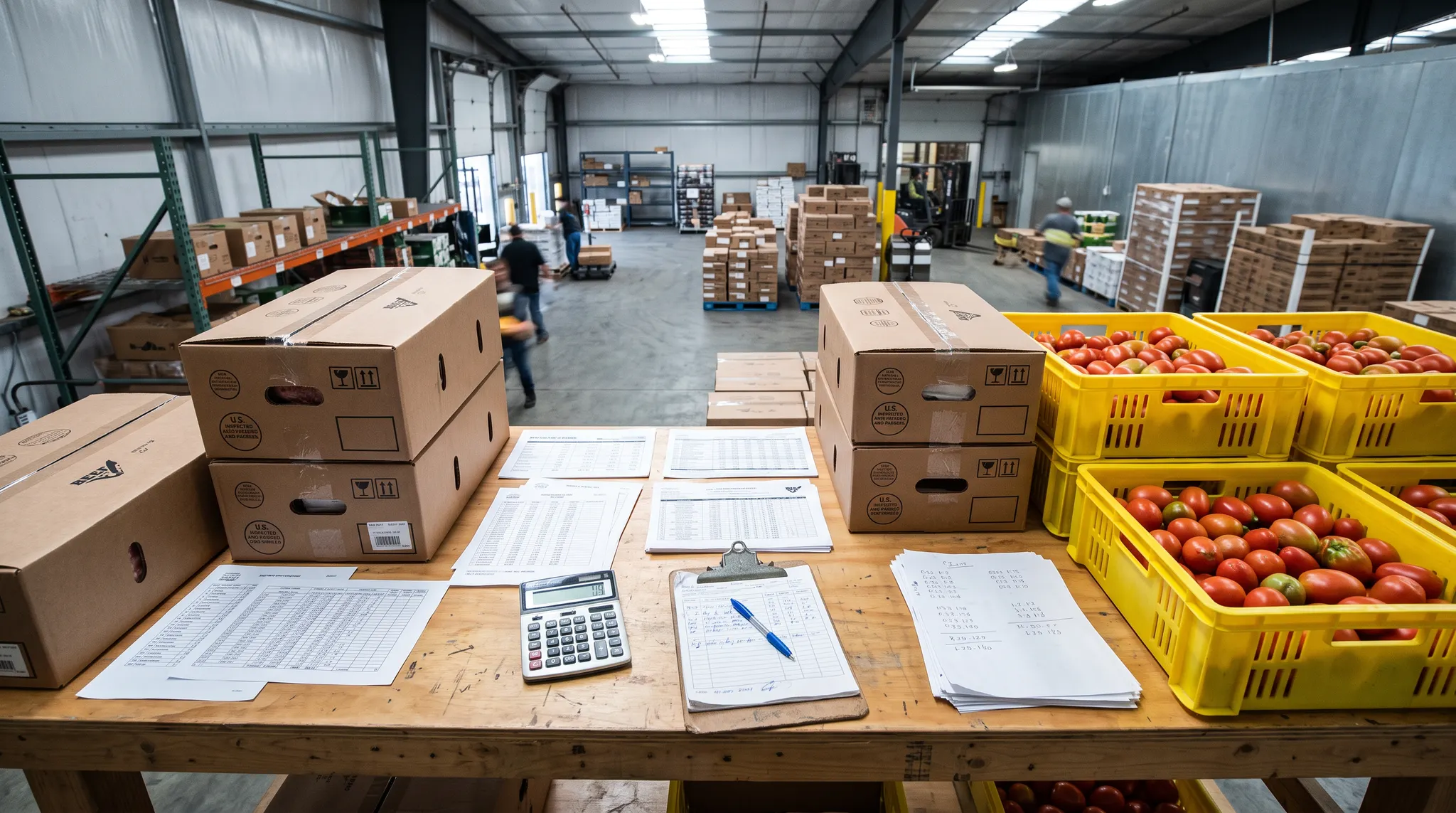
The products, paperwork, and market signals behind every price.
1 · Read every source
Tyson Fresh Meats
Delivered · Choice ribeye 112A
USDA boxed beef
FOB · Ribeye roll, boneless
Competitive distributor
Delivered · Ribeye lip-on
2 · Match your item
Ribeye, boneless, choice
YOUR ITEM · BEEF-10482
3 source lines confirmed
3 · Know the market
$9.31
Market cost
4 · Set the price
$12.10
Recommended sell price
Illustrative data. Supplier names identify familiar market sources and do not imply a customer relationship.
Live in days, not months.
Because Lora reads from the systems you already run instead of replacing them, there's no implementation project — your first AI agents are reasoning on your own data within days.
Connect your data
Point Lora at the systems you already run via a read-only feed, scheduled export, or replica. No rip-and-replace, no migration, no change to how your team enters orders.
Teach Lora your playbook
Walk through how you price, purchase, and plan — floors, lead times, vendor rules, and the judgment calls in between — in plain English. No models to configure.
Lora builds and trains your AI agents
Your context becomes AI agents trained on your own data, ready to reason across your catalog within days — not the months a traditional implementation takes.
Review, go live, and expand
AI agents start surfacing daily pricing, purchasing, and planning decisions with their reasoning. You accept, reject, and override, and widen scope week over week as trust builds.
Technical questions, answered.
How Lora connects to your ERP, handles supplier email and data security, keeps pricing accurate, and gets you live in days.
ERP integration
Lora is ERP-agnostic. It reads from the systems you already run — NetSuite, Microsoft Dynamics 365 and Business Central, Sage X3, Epicor, SAP, Infor, and others — through an API feed, scheduled export, read replica, or even the dashboards and Excel extracts your team already pulls. We have AI agents running in production on Sage X3 today, among other stacks.
No. Lora sits on top of your stack and reads from it; it does not replace it. There is nothing to rip out, no migration, and no change to how your team enters orders or runs the business day to day.
By default, Lora reads. Recommendations surface inside Lora for your team to accept, reject, or override. Where you want it, approved decisions — price updates, purchase orders — can be pushed back into your ERP, but write-back is opt-in and scoped to exactly what you approve.
Lora syncs on the cadence your business needs — typically daily, and intraday where feeds allow — so every pricing, purchasing, and stock decision reflects current cost and inventory rather than a stale snapshot.
Security & supplier email ingestion
Lora reads the supplier emails you route to it — cost updates, quotes, confirmations — and turns those unstructured messages into structured signals like new costs and lead-time changes. That content is encrypted in transit and at rest, scoped to your workspace, and never used to train models for anyone else.
No. Your data, costs, and operating playbook are used to run your agents — not to train shared models or benefit other customers. Your strategy and data stay yours.
Access is role-controlled and auditable. Only the people you authorize can see your data, and every access and decision is logged — built for the security expectations of established distributors.
Yes. Every recommendation carries the context and rules it followed, and every accept, reject, and override is logged. Nothing is a black box — you can trace any decision back to the inputs and rules behind it.
Pricing accuracy
Each recommendation is generated from your costs, contracts, inventory, and the rules you have taught Lora — and it ships with the reasoning behind it. At a $100M+ food distributor, working within Lora's recommendations moved gross profit from roughly 6% to 8% in scoped categories while expanding weekly priced SKUs from about 400 to 2,000.
Your floors, contract terms, and pricing rules are hard constraints. Lora will not quote below a contract floor, and any order or recommendation that breaches a rule is flagged. Genuine edge cases are routed to a human rather than applied automatically.
Yes. Every accept, reject, and override teaches your AI agents how you actually price, so recommendations sharpen and need fewer corrections the longer they run.
Yes. Lora is decision support with optional, approved automation. Your team stays in the loop, and you decide how much runs hands-off as trust builds.
Onboarding
Days, not months. Because Lora reads from your existing systems instead of replacing them, there is no implementation project — your first AI agents are reasoning on your own data within days, and scope widens week over week.
A read-only connection to your data and time with the people who price, purchase, and plan. You teach Lora your playbook in plain English; Lora handles building and training the agents on your data.
No. There is no migration and no change to how orders are entered. Your team keeps working as they do today while Lora reads alongside them and begins surfacing daily decisions.
See your item.
See the market.
See the sell price.
Bring one vendor sheet and a sample item file. We’ll show you the complete match on your own products.